
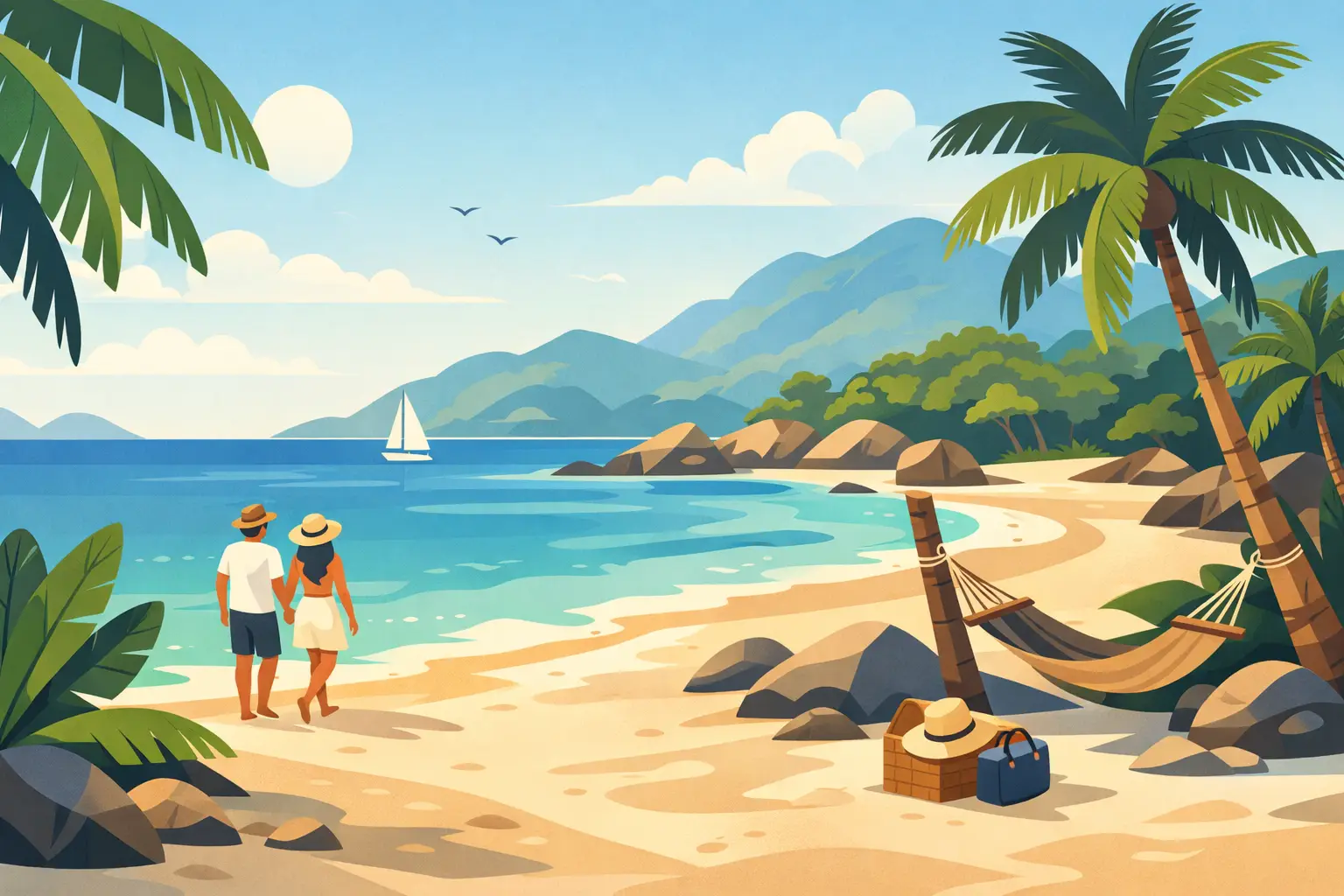
How to Explore Mahe Beaches Without Rushing
Mahé can look small on a map, but a beach day here can change completely after one bend in the road. That is why knowing how to explore Mahé beaches is less about ticking off every bay and more about matching the right coast to the weather, your swimming confidence and the kind of holiday you want. A calm, sandy morning at Beau Vallon may be perfect for a family, while a dramatic afternoon at Anse Intendance can be unforgettable without being the right place to enter the sea.
The best approach is to choose two or three beaches for each day, leave room for a Creole lunch or a roadside fruit stop, and let the conditions guide the plan. With a little local knowledge, Mahé offers far more than a quick photograph from the car.
Start with the island’s two different beach moods
Mahé’s coastline is shaped by trade winds, granite headlands and changing sea conditions. The west and north-west coast are often the easiest places to begin, particularly if you want convenient facilities, gentler water at the right time of year and less travel from Victoria. Beau Vallon is the island’s best-known example: wide sand, beautiful sunset views, places to eat nearby and a lively but relaxed atmosphere.
The south and south-west feel wilder. Beaches such as Anse Intendance and Anse Takamaka are framed by lush hills and extraordinary granite formations, with fewer buildings competing for your attention. They are ideal for scenery, a walk and a quiet pause, but ocean conditions can be powerful. Their beauty is not a promise of safe swimming.
On the east and south-east coast, Anse Royale is a popular choice for a more local beach experience. Its sheltered areas can suit a relaxed paddle or snorkel when the water is calm, while the surrounding district gives you a good sense of everyday island life beyond the resort areas.
How to explore Mahé beaches around the weather
Do not plan your beach route by photographs alone. Seychelles weather is warm throughout the year, but wind direction matters greatly. During the north-west monsoon, generally from December to March, beaches on the north and west can be especially inviting. During the south-east trade winds, commonly from May to October, some southern and eastern beaches can have stronger surf and seaweed, while more protected western spots may be preferable.
April and November are often calmer transition months, although tropical weather can always change. A bright sky does not tell you everything about the sea. Check the water on arrival, look for warning signs and ask a local guide or your accommodation team which beaches are best that day. If waves are breaking hard close to shore, choose a different bay rather than trying to make the plan work.
Rain showers are part of island life, especially in the greener months. They often pass quickly, so use them as an excuse for a coffee, lunch or visit to Victoria Market rather than writing off the day. The light after rain can make the forested hills and granite coastline look absolutely breathtaking.
Choose beaches by the experience you want
For an easy, sociable beach day: Beau Vallon
Beau Vallon is a sensible first beach for many visitors. The bay is broad, the sunset is memorable, and you are close to restaurants, shops and water activities. It works particularly well for families, couples who want an unhurried afternoon and travellers who prefer not to feel isolated.
The trade-off is that it is more popular than Mahé’s hidden coves. Arrive earlier for a quieter stretch of sand, or stay until late afternoon when the heat softens and the sun begins to set behind the sea.
For dramatic scenery: Anse Intendance and Anse Takamaka
These south-coast beaches have the grand, untamed look many people imagine when they picture Seychelles. Tall palms, rich green slopes and large waves make them wonderful for photographs and a coastal drive. Anse Takamaka also makes a pleasant stop when exploring the south with time for a relaxed meal nearby.
Treat both beaches with respect. Strong currents and surf can occur, particularly during the south-east trade winds. Swim only when conditions are clearly calm and you are confident it is safe. On rough days, enjoy the view from dry sand and continue to a more sheltered swimming spot.
For a quieter cove: Anse Soleil and Anse Major
Anse Soleil, on the south-west coast, is a compact and beautiful bay where clear water and granite boulders create a more intimate setting. It is a lovely option for couples and confident swimmers when the sea is calm. Parking and space can be limited, so it is best approached without a tight schedule.
Anse Major, in the north-west, rewards visitors willing to walk. The trail from Bel Ombre leads to a striking, secluded beach, with coastal views along the way. Bring water, sun protection and suitable footwear, and avoid attempting the walk in the strongest midday heat. It is not the best choice for everyone, especially very young children, those with limited mobility or anyone looking for facilities close at hand.
For snorkelling and a local feel: Anse Royale and Port Launay
Anse Royale is a good stop when you want to combine beach time with a glimpse of village life. In suitable conditions, sheltered sections can be enjoyable for snorkelling, although visibility varies with wind and rainfall. Never stand on coral, and use reef-safe sun cream where possible to help protect the marine environment.
Port Launay, on the north-west coast, is another attractive choice for calm-water swimming and snorkelling on favourable days. The curve of the bay and the surrounding greenery give it a peaceful feel, even though it is well known. Go early if you want the beach at its most tranquil.
Build a route, not a race
Mahé’s roads are scenic, narrow and often winding. A journey that looks short in kilometres can take longer than expected, especially through the mountains or along the south coast. Trying to visit six beaches in one day usually means spending more time getting in and out of the vehicle than enjoying the island.
A better private itinerary might begin at Beau Vallon or Port Launay, continue through the interior for a viewpoint or a local lunch, then finish at Anse Takamaka or Anse Intendance for the changing afternoon light. Another day could focus on the south-east, pairing Anse Royale with quieter stops along the coast. The right route depends on where you are staying, whether you have children with you and how much time you wish to spend in the water.
If you are driving, take care after rain and be patient with local traffic. If you would rather enjoy the views without navigating unfamiliar roads or searching for parking, a private local guide can make the day feel easier and more personal. Lucas Sey Tours can tailor a beach route around your pace, preferred activities and the conditions on the day.
Pack lightly, but prepare properly
Beach-hopping on Mahé is simple when you bring the essentials: drinking water, a hat, sun cream, a light cover-up, swimwear and sandals that can handle sand and uneven paths. Add trainers for Anse Major or any viewpoint walk. A dry bag is useful for phone, camera and valuables, especially if you plan to move between coves.
There are no facilities at every beach, and shade can be limited outside the palm line. Carry out everything you bring in, including bottles and food packaging. Seychelles is beautiful because its beaches still feel natural; leaving them that way is part of being a thoughtful visitor.
For swimming, avoid going out alone where the water is rough, do not turn your back on the sea, and keep children close even in shallow-looking areas. Granite rocks can be slippery, while reef and sea urchins make water shoes useful in some locations. If there is any doubt, enjoy the beach from shore and save your swim for a calmer bay.
Leave room for the moments between beaches
Some of Mahé’s best memories happen away from the towel. It might be stopping at a small takeaway for grilled fish, tasting fresh coconut water, watching fishermen at work, or seeing the colourful Hindu temple in Victoria before heading back to the coast. These pauses turn a scenic drive into a real island experience.
Give each beach enough time to reveal its character. Sit beneath a takamaka tree, watch the colour of the water shift with the clouds, and choose the next stop because it feels right, not because a checklist says you should. Mahé is at its most rewarding when the day has space to surprise you.

