
Indian Temple Seychelles: What to Expect
A walk through central Victoria can change mood in minutes. One moment you are beside market stalls and everyday town traffic, and the next you are standing in front of a brightly coloured Hindu temple filled with intricate detail, quiet reverence, and a strong sense of place. For many visitors, the Indian Temple Seychelles is one of those stops that adds cultural depth to a day of sightseeing on Mahé.
This is not a huge monument set apart from local life. That is part of its appeal. The temple sits right in the capital, woven into the rhythm of Victoria, which makes a visit feel natural rather than staged. If you are planning your time on Mahé and wondering whether it deserves a place on your itinerary, the short answer is yes – especially if you want to see more than beaches and viewpoints.
Why the Indian Temple Seychelles stands out
Seychelles is often introduced through turquoise water, granite boulders, and postcard beaches, and rightly so. But the islands also have a layered cultural story shaped by African, European, and Asian influences. The Arul Mihu Navasakthi Vinayagar Temple, commonly known by visitors as the Indian temple in Victoria, gives you a clear and memorable glimpse of that heritage.
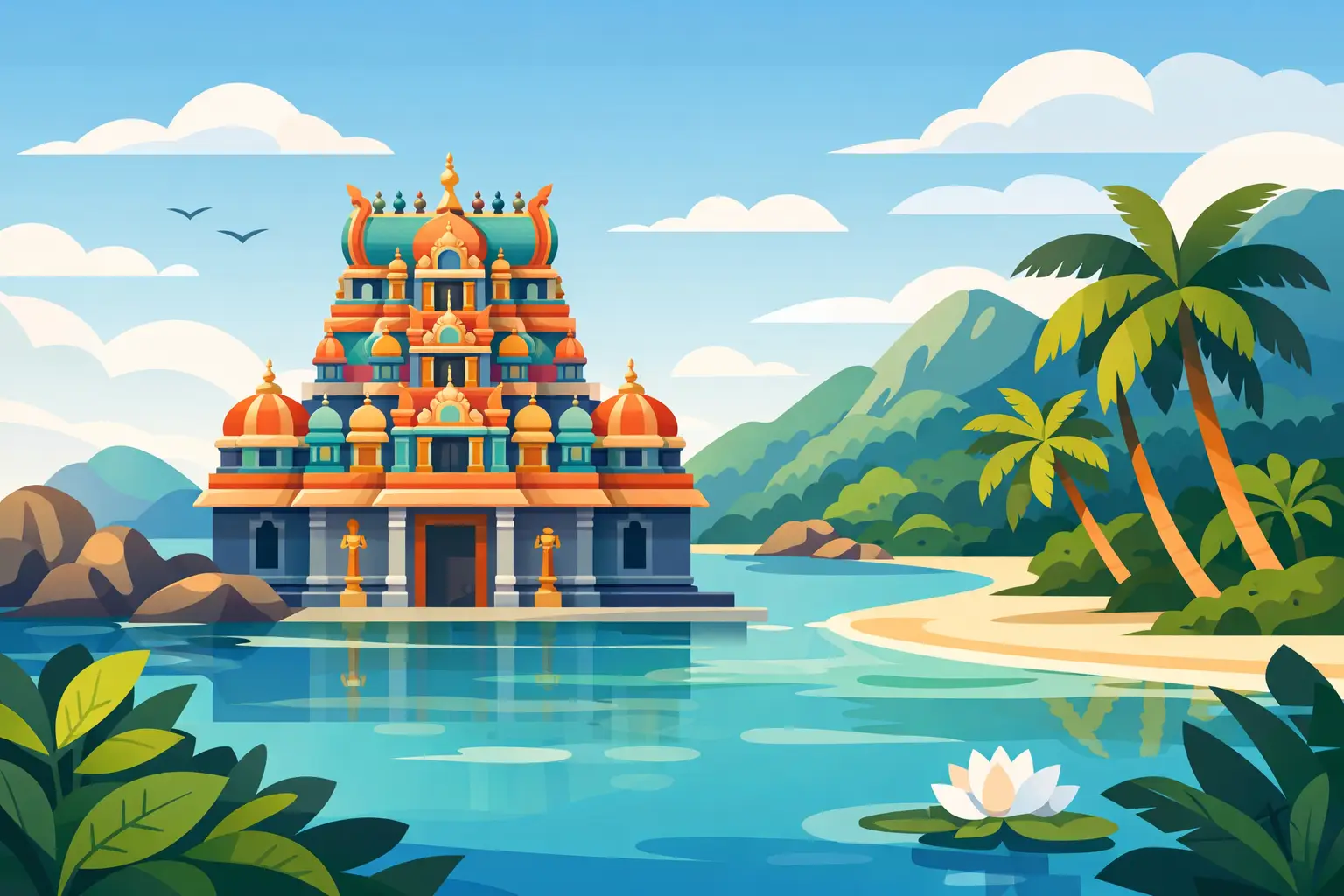
Its exterior is what first catches most people. The colours are vivid, the carvings are highly detailed, and the architecture feels very different from the colonial buildings and market scenes nearby. Even if you have seen Hindu temples elsewhere, this one has its own character because of where it sits – in a compact island capital where cultures meet in a very visible, everyday way.
What makes the stop worthwhile is not only how photogenic it is. It also tells a story about the Indian community in Seychelles and its contribution to local life. For travellers who like places with context, not just scenery, that matters.
What you will see when you visit
The temple is dedicated to Lord Vinayagar, also known as Ganesha, and its South Indian style is easy to recognise in the decorative tower and painted figures. The craftsmanship is the kind of detail that rewards a slower look. From a distance, it is striking. Up close, you begin to notice just how much care has gone into each section.
Inside, the atmosphere is usually calmer and more reflective than the busy street outside. As with any active place of worship, your experience depends on the time of day and whether ceremonies are taking place. Sometimes you may find a quiet moment to appreciate the interior. At other times, there may be worshippers coming and going, which can make the visit feel more alive and authentic.
It is worth approaching with respect rather than treating it purely as a photo stop. A few minutes of quiet observation can turn a brief visit into something much more memorable.
A small stop that fits easily into a wider tour
One practical advantage is how easy the temple is to include in a day around Victoria. It works well alongside the market, the clock tower, botanical gardens, and other highlights in and around the capital. You do not usually need to set aside a large block of time, which makes it ideal for travellers who want variety without rushing.
For couples, it adds texture to a scenic island day. For families, it is a colourful and accessible cultural stop. For solo travellers, it offers a chance to see a different side of Seychelles beyond the beach. That flexibility is one reason it remains a favourite on private sightseeing routes.
Best time to visit the Indian Temple in Seychelles
Morning is often the most comfortable time to explore Victoria. The light is softer, the temperature is usually gentler, and the town has an appealing energy before the day becomes busier. If you are combining several stops, an earlier start tends to make the overall experience more relaxed.
That said, timing depends on what kind of outing you want. If your focus is photography, good natural light and lighter foot traffic can make a difference. If you are more interested in seeing local life in motion, a busier period around town may actually add to the atmosphere.
Religious observances can also shape your visit. On festival days or during prayer times, the temple may feel more vibrant but also require more sensitivity and patience. That is not a drawback – just something to be aware of.
What to wear and how to behave
Because the temple is an active religious site, modest clothing is the right choice. Covered shoulders and clothing of a respectful length are advisable. Beachwear is best saved for the coast, even if your day includes both town and seaside stops.
Shoes may need to be removed before entering certain areas, and photography should always be handled thoughtfully. If in doubt, ask. Most travellers find that a polite and considerate approach is all that is needed.
This is one of those moments where holiday convenience and cultural respect should go together. A quick adjustment in dress or behaviour can make the visit smoother for everyone and leaves a better impression than arriving unprepared.
Is it worth visiting if you are short on time?
Usually, yes. The Indian Temple Seychelles is not an all-day attraction, but that is exactly why it works so well. It gives you a meaningful cultural stop without demanding too much of your schedule. If your holiday is packed and you want to balance beaches, viewpoints, and local heritage, it earns its place.
The trade-off is simple. If your only goal is to spend every hour swimming or sunbathing, then time in Victoria may feel secondary. But if you want a fuller sense of Mahé – its communities, daily life, and contrasts – then skipping the capital altogether would be a missed opportunity.
Many visitors are surprised by how much they enjoy this part of the day. A well-planned town visit often becomes the moment that makes Seychelles feel real, not just beautiful.
The Indian Temple Seychelles as part of a private island experience
This stop makes the most sense when it is woven into a day that matches your pace and interests. Some travellers want a gentle morning in Victoria followed by scenic coastal drives and lunch by the sea. Others prefer a broader island route with viewpoints, beaches, local landmarks, and time for photos without feeling hurried.
That is where local guidance helps. Rather than trying to piece everything together with taxis, parking, and guesswork, a personalised tour lets you enjoy the contrast between cultural sites and natural highlights with far less stress. If the temple is one of several places you want to see, it can be timed properly instead of squeezed in awkwardly.
Lucas Sey Tours often helps travellers build exactly that kind of day – personal, flexible, and shaped around what matters most to you. For first-time visitors especially, having a local guide adds context you simply do not get from passing by on your own.
A few realistic expectations before you go
It helps to know what this stop is, and what it is not. This is not a vast temple complex with hours of ground to cover. It is a compact, central landmark with cultural and visual appeal. If you arrive expecting a major standalone excursion, you may find it brief. If you arrive expecting a worthwhile stop within a wider Victoria experience, it delivers very well.
It is also a place best appreciated with a little curiosity. Travellers who enjoy architecture, religion, local history, or simply seeing how different cultures shape an island destination tend to value it most. Those looking only for dramatic scenery may still enjoy it, but for different reasons.
That balance matters when planning your holiday. The best Mahé itineraries usually mix iconic scenery with places that reveal the island’s identity. The temple does exactly that.
There are plenty of beautiful places in Seychelles that speak for themselves the moment you arrive. The Indian temple in Victoria does something slightly different – it invites you to pause, look closer, and understand the island a little better before heading back to the coast.

