
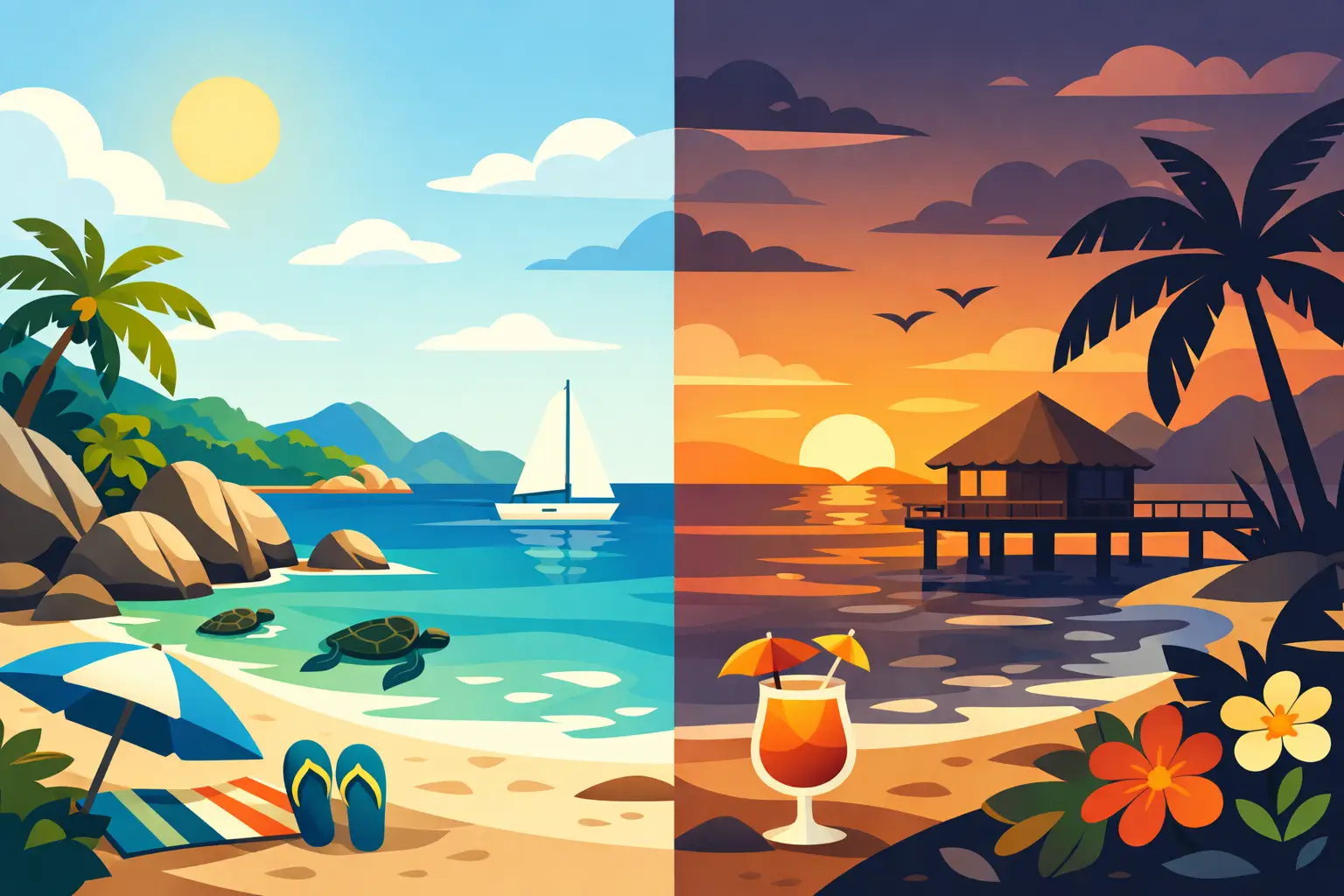
When Should I Visit the Seychelles?
If you are asking when should I visit the Seychelles, the honest answer is not one perfect month but the kind of holiday you want to have. Some travellers want long beach days and calm sea, others care more about hiking weather, diving conditions, quieter resorts or better value. The good news is that the Seychelles is beautiful all year, so your best time depends far more on your plans than on a single weather chart.
This is one of the reasons visitors enjoy the islands so much. You are not trying to squeeze your trip into one narrow season. Instead, you can choose the period that suits your pace, your budget and the experiences you want most.
When should I visit the Seychelles for the best weather?
The Seychelles has a tropical climate, which means warm temperatures through the year, plenty of sunshine and some humidity. Daytime temperatures usually stay around 24C to 31C, so you do not need to worry about winter cold. What changes more noticeably are wind, rainfall and sea conditions.
For many travellers, April, May, October and November are the most comfortable months. These are the transition periods between the trade winds, and they often bring calmer seas, lighter winds and excellent conditions for swimming, snorkelling and boat trips. If you are hoping for that classic Indian Ocean picture of clear water and relaxed beach time, these months are often a very strong choice.
That said, there is a trade-off. Because these shoulder months are so attractive, they can also be popular. If you are travelling during school breaks or peak holiday periods, it is worth planning early.
Understanding the Seychelles seasons
Rather than four clear seasons, the Seychelles is better understood through two trade wind periods and two calmer transition periods.
From roughly May to September, the south-east trade winds bring cooler, drier and windier conditions. This can be a pleasant time to explore, especially if you prefer less humidity. On some beaches, though, the sea can be rougher and there may be seaweed depending on the coast.
From around December to March, the north-west trade winds tend to bring warmer, more humid weather, with a greater chance of tropical rain. Showers are often short rather than all-day washouts, but some days can feel more unsettled.
Then come the transition months, usually April and October to November, which many locals and repeat visitors rate highly because the weather often feels more balanced.
Best time for beach holidays
If your main goal is to relax on stunning beaches, swim in warm water and enjoy boat excursions, April, May, October and November are usually the safest bet. The sea is often calmer and clearer, which matters if you want easy swimming or snorkelling straight from the beach.
Beau Vallon is a favourite for many visitors because it is lively, scenic and good for swimming in the right conditions. Other beaches around Mahé, Praslin and La Digue can be absolutely breathtaking as well, but sea conditions vary from one coast to another depending on the time of year and wind direction.
This is where local advice makes a real difference. A beach that is perfect in one month may be less comfortable in another, while a more sheltered option can be ideal. If you want easy beach days rather than guesswork, timing and island choice should go together.
Best time for hiking and sightseeing
If you want to see more than the beach, slightly cooler and less humid periods can be a good fit. June to September often works well for scenic drives, cultural visits and walking trails, particularly on Mahé. You may find the air a little fresher and daytime touring more comfortable.
This is a lovely time to explore viewpoints, local markets, temples, botanical spots and the capital, Victoria, without feeling too slowed down by heat. Families and couples who want a mix of sightseeing and coast often enjoy this period because the days can feel active without becoming exhausting.
The compromise is that the sea may be less calm on some exposed beaches, and boat trips can depend more on daily conditions. So if your holiday is split between land touring and swimming, the best month may come down to what matters more to you.
Best time for snorkelling and diving
For underwater visibility, April, May, October and November are often excellent. Calmer water can mean better visibility for snorkelling and diving, which is why these months are widely recommended.
If marine life is high on your list, these periods can be especially rewarding. Conditions are often friendlier for beginners too, whether you are trying a guided snorkelling trip or planning dive days as part of your holiday.
During windier months, you can still enjoy the sea, but conditions may vary more from one island and one coast to another. Flexibility helps. A good local guide or operator can steer you towards the best spots on the day rather than relying on a fixed plan made weeks earlier.
Best time for quieter travel and better value
If you prefer a more peaceful atmosphere, you may want to avoid the busiest holiday periods, especially Christmas, New Year and major European school breaks. The Seychelles never feels like a mass-market destination in the way some beach hotspots do, but demand still rises at key times, and that can affect room availability and pricing.
May, June, September and early November can be appealing if you want a balance of good conditions and slightly less pressure on accommodation. You may find better choice and, in some cases, better value than during the busiest festive period.
January and February can also suit travellers who do not mind a more tropical feel with occasional rain. There is still plenty of sunshine, and some visitors enjoy the greener landscapes and softer pace. If you are flexible and realistic about short showers, this can be a very enjoyable time to come.
When should I visit the Seychelles for a honeymoon or special trip?
For honeymoons, anniversaries and once-in-a-lifetime holidays, most couples lean towards April, May, October or November. These months tend to give you the best mix of calm beach conditions, beautiful light and comfortable weather for private excursions and memorable meals by the sea.
If photographs matter to you, these periods are especially attractive because sea colour and visibility can be stunning. If your dream is a smooth mix of beach time, island touring and a few luxury moments, this is usually where to start.
Still, there is no bad answer if the rest of your travel plans point elsewhere. A December honeymoon can be wonderful. A July anniversary trip can be fantastic for sightseeing. The key is setting expectations properly rather than chasing the idea of a flawless forecast.
A practical way to choose your travel dates
If you are still unsure when to book, think in priorities rather than months. Ask yourself what would disappoint you most. If rougher sea would bother you, aim for the calmer transition months. If humidity is your main concern, look more closely at the drier trade wind period. If budget and availability matter most, travel just outside the busiest peak windows.
It also helps to think island by island. Mahé is ideal for travellers who want variety, easy sightseeing and flexible day touring. Praslin and La Digue are brilliant for a slower rhythm and postcard beaches. The right time for your holiday is not only about the weather but also about how you want to move through the islands.
For travellers who want a personalised experience, this is where local support can save time and improve the whole trip. A trusted operator such as Lucas Sey Tours can help you match your travel month with the right beaches, viewpoints and day plans, especially if you are staying on Mahé and want to make every day count.
So, when is the best time overall?
If you want the easiest all-round answer, choose April, May, October or November. These months usually offer the best balance for beaches, swimming, snorkelling and comfortable sightseeing.
If you prefer cooler touring weather and do not mind windier coastal conditions in some places, June to September can be excellent. If you are travelling in winter from Europe and simply want warmth, December to March still has plenty to offer, as long as you accept some humidity and a higher chance of rain.
The best time to visit the Seychelles is the time that matches your holiday style. These islands reward slow mornings, flexible plans and a little local knowledge. Pick the season that suits you, and the Seychelles has a very good habit of making the rest feel easy.

